Factory direct
Own design and production since 2012
Custom engineering
Non-standard spreaders for special duties
Alloy steel body
High-strength structure, self-locking twistlocks
Export experience
Projects delivered across five continents
Container spreaders by working principle
Container spreaders by working principle
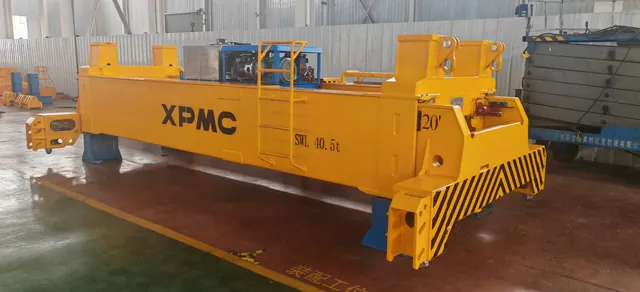
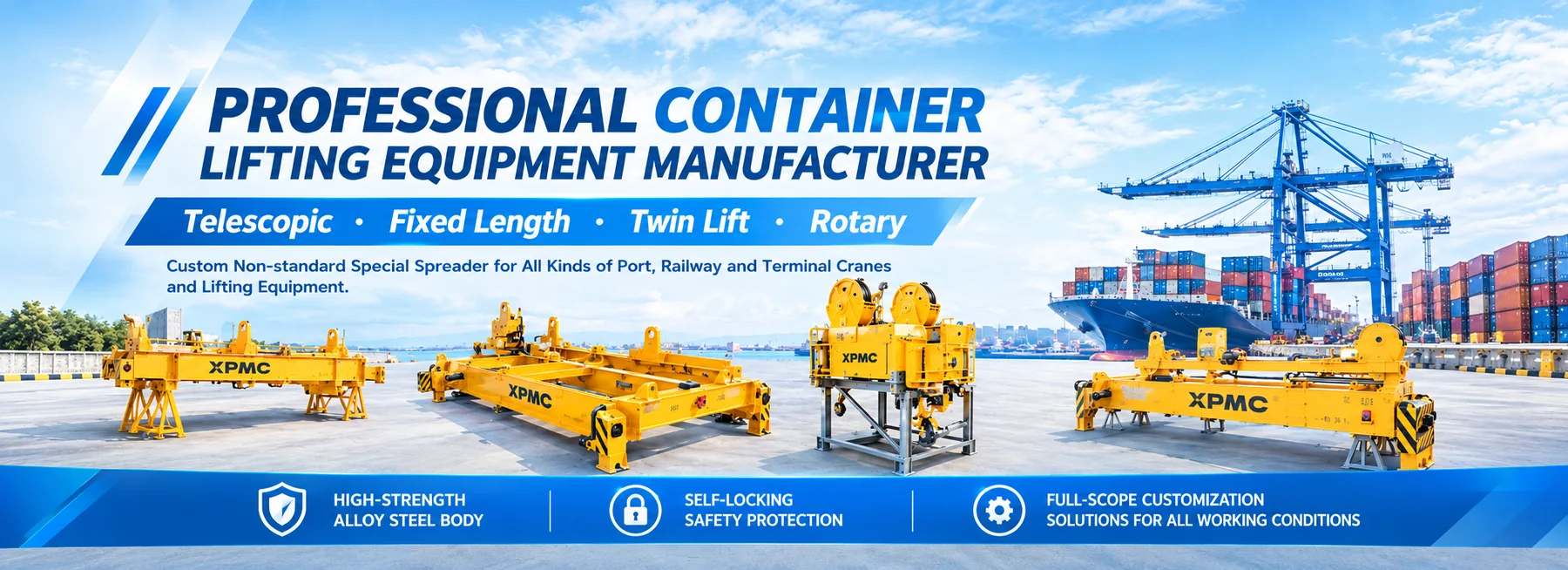
Eight product families cover telescopic, fixed-length, rotary, twin-lift, headblock, semi-automatic, overheight and general lifting duties.
Telescopic Spreaders
20ft / 40ft / 45ft
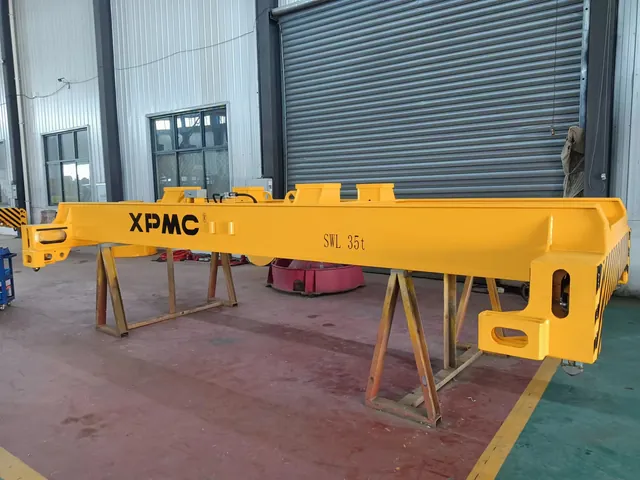
Fixed-Length Spreaders
Dedicated single size
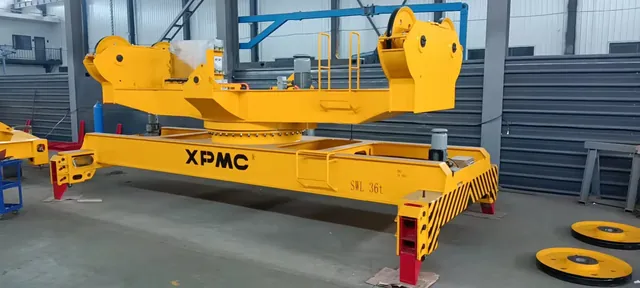
Rotary Spreaders
Rotation and skew
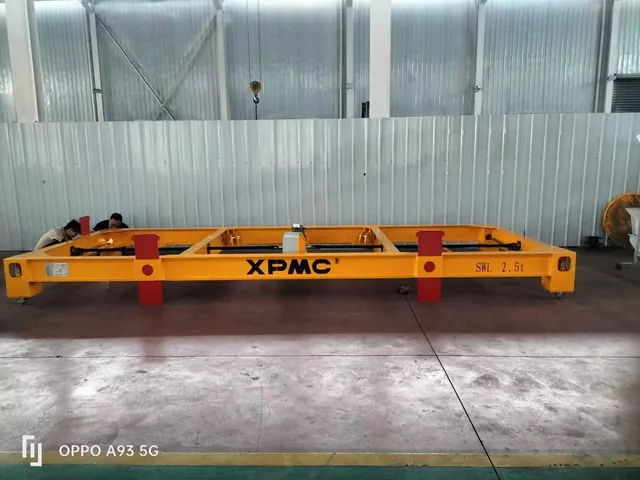
Twin-Lift Spreaders
Two boxes per cycle
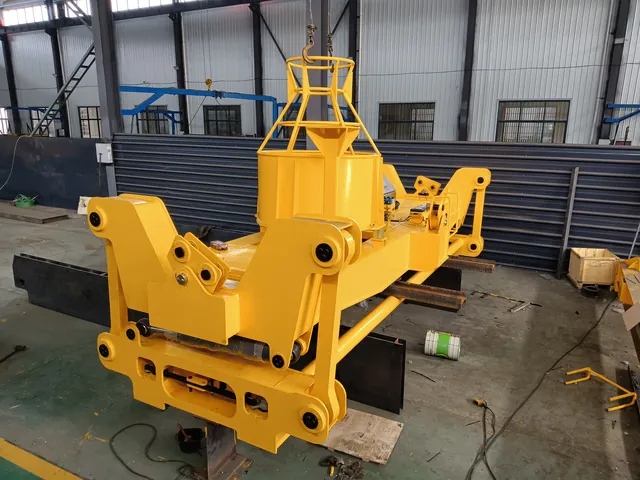
Headblocks and Upper Frames
Crane interface
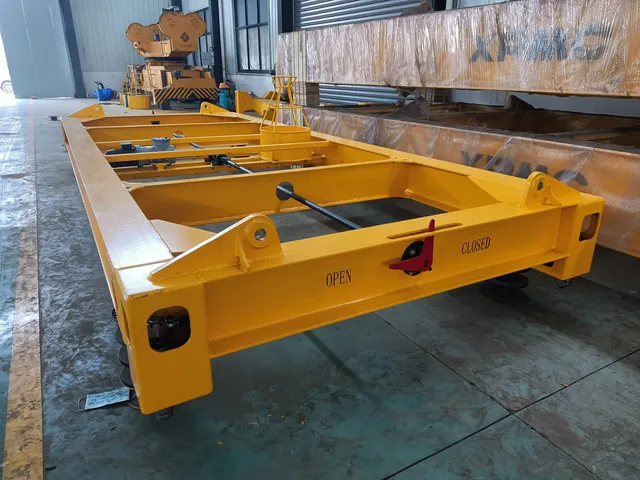
Semi-Automatic Spreaders
Manual to automatic
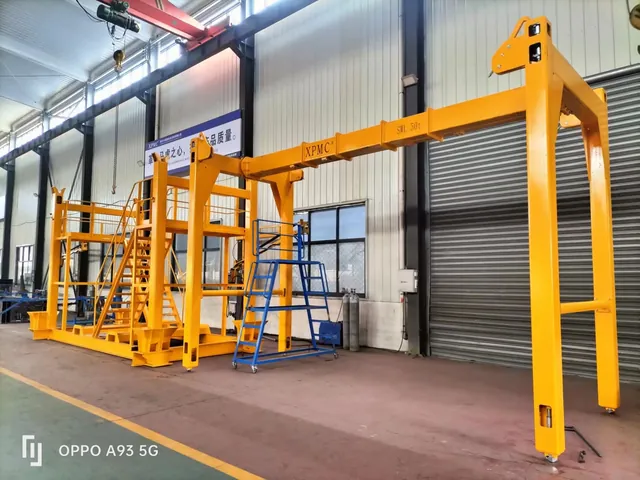
Overheight Frames
Extra lifting height
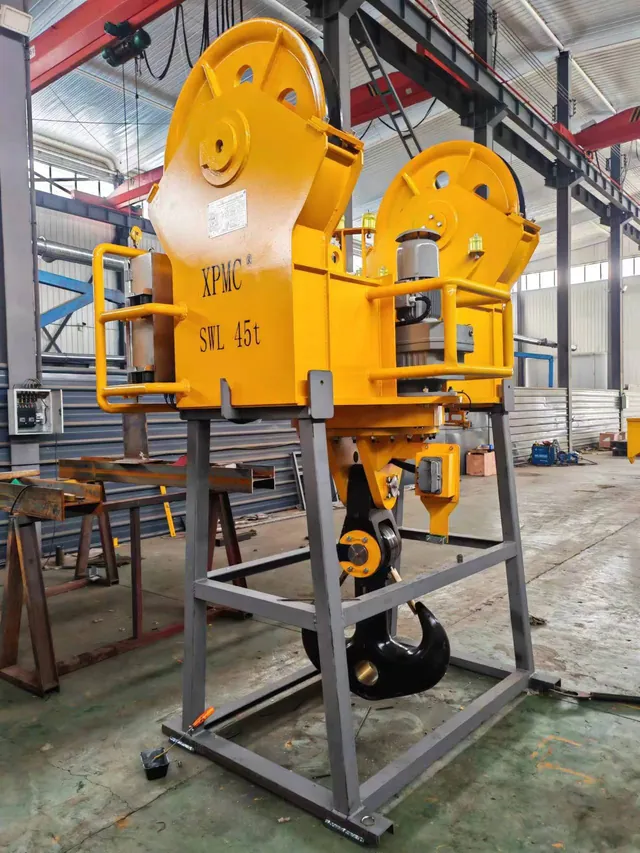
Lifting Hooks and Beams
General cargo
Products
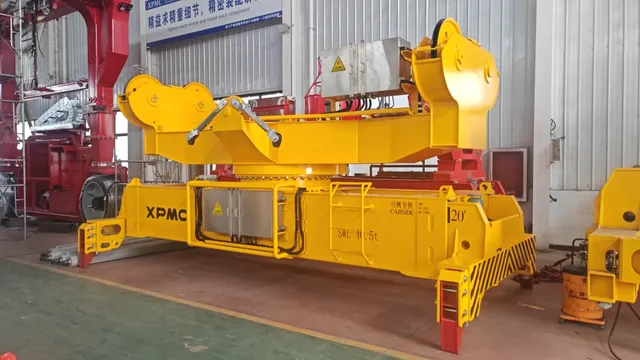
Selected container spreader models
Every model below is built to the same process: engineered drawings, verified structure, controlled welding and full inspection before despatch.
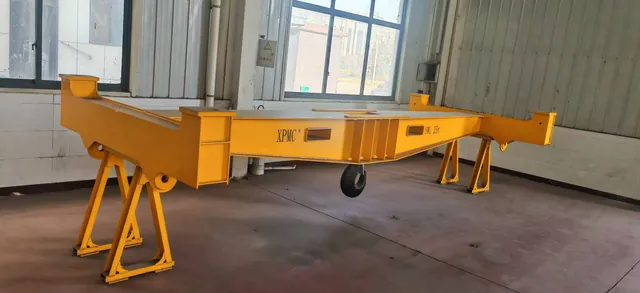
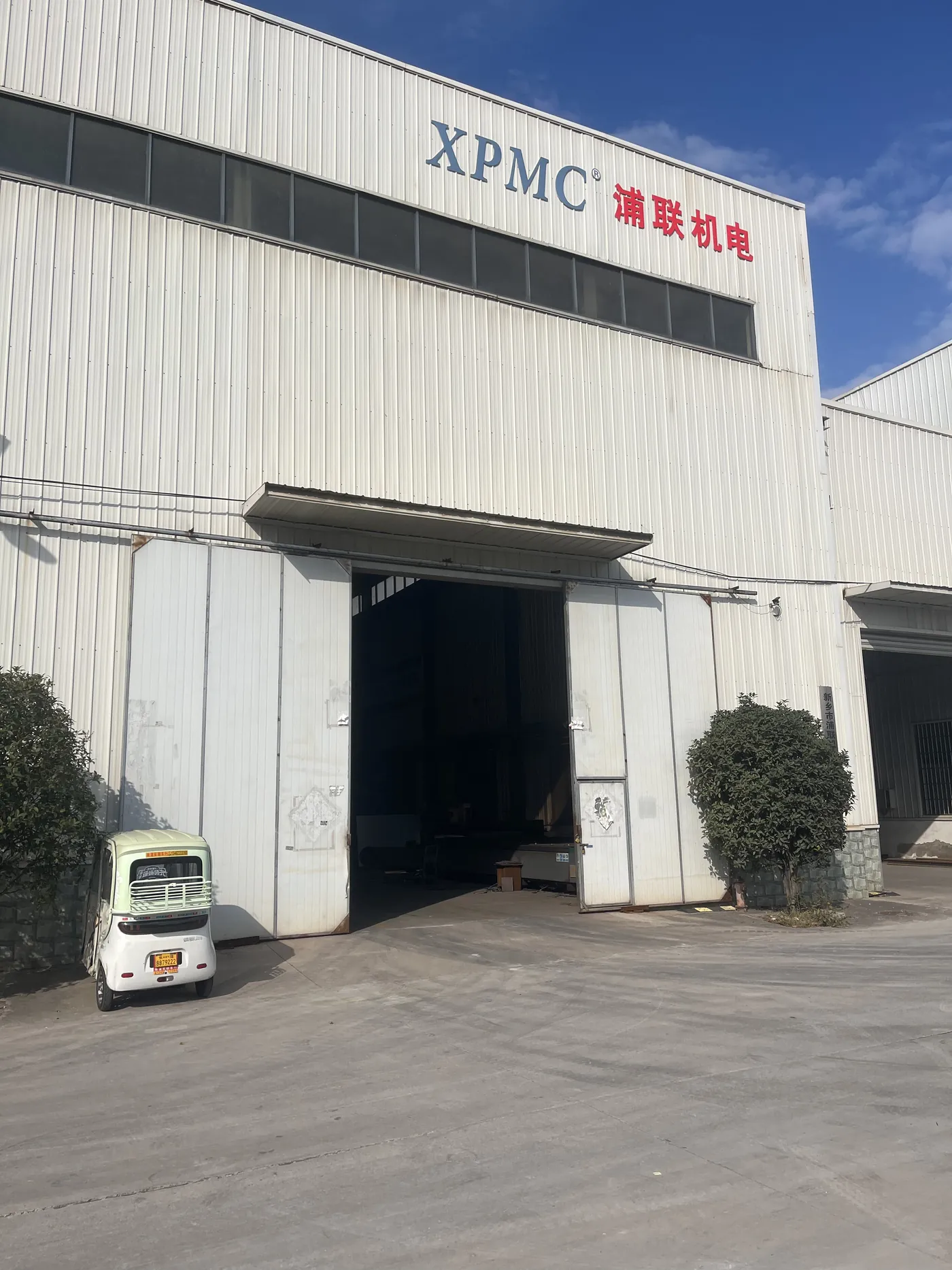
2012Founded in Xinxiang
About Pulian
A container spreader factory, not a trading company
Xinxiang Pulian Mechanical & Electrical Equipment Co., Ltd. was founded in 2012 in Xinxiang, Henan, the crane manufacturing centre of China. We build standard container spreaders and engineer non-standard spreaders for terminals, rail yards, depots and lifting-equipment makers.
Since 2015 we have worked in the international spreader market, competing and learning alongside established global suppliers. Our equipment is designed to international practice, fabricated from high-strength alloy steel and assembled with electrical components from recognised brands.
- In-house design team for feasibility studies and custom spreader schemes
- Production and inspection to drawings and process specifications
- Spare parts stock and technical response after delivery
2012Founded in Xinxiang
8Product families
73Spreader configurations
24/7Technical support
Advantages
Why buyers choose Pulian
What we can control in a spreader - structure, drive, safety and service - is what we focus on.
Custom spreader design
Site survey, scheme design, structural verification and 3D review before a single plate is cut.
Load-bearing structure
Closed box-beam main structure in high-strength alloy steel, designed to ISO and FEM practice.
Self-locking twistlocks
Interlock protection prevents hoisting before full locking, with multi-point load protection.
One spreader, several box sizes
Telescopic and combined designs cover 20ft, 40ft and 45ft containers on the same crane.
Export project experience
Technical files, packing and documentation prepared for overseas terminals and EPC projects.
Service after delivery
7x24 technical response, on-site operation training, spare parts held in stock.
Applications
Where these spreaders work
The same spreader platform is adapted to very different duty cycles - from a quay crane handling 30 moves an hour to a rail gantry working in minus 30 degrees.
01
Ports & container terminals
Quay cranes, RTG and RMG spreaders for vessel and yard operations.
02
Railway container yards
Rotary and weighing-ready spreaders that keep container doors aligned.
03
Logistics & container depots
Fixed-length and semi-automatic spreaders for steady, repetitive handling.
04
Steel & metallurgy
Heavy-duty spreaders and beams for coil, slab and billet handling lines.
05
Shipbuilding & offshore
Custom lifting attachments for hull blocks and large fabricated structures.
06
Mining & quarrying
Rugged spreaders and hooks for dusty, abrasive and remote sites.
07
Hydropower & energy
Lifting gear for penstocks, turbines and plant maintenance work.
08
Petrochemical plants
Corrosion-protected spreaders for coastal and chemical environments.
Process
From enquiry to commissioning
A defined route with a technical document at every stage, so the spreader matches the crane it will hang from.
Enquiry & data
Crane type, capacity, box sizes, site conditions.
Scheme design
Layout, structure and drive selection with 3D review.
Verification
Strength check and interface dimensions confirmed.
Manufacturing
Cutting, welding, machining, electrical assembly.
Inspection
In-process checks, function test, final inspection.
Delivery & training
Export packing, shipping, on-site operation training.
FAQ
Buyer questions
Lead times, customisation and documentation - the three things buyers ask about first.
What types of container spreaders do you manufacture?
Our core business is standard container spreaders, alongside the design, development and manufacture of custom-built (non-standard) spreaders. Grouped by function and application, the range covers:
- Telescopic spreaders – a telescoping beam lets the spreader switch between container lengths, for operations handling mixed box sizes with frequent changeovers.
- Fixed-length spreaders – purpose-built for a single container size; simple structure and low deadweight, for terminals and rail yards handling one regular box type.
- Rotating spreaders – allow rotation with the container for easier alignment with trucks and stacking positions, reducing auxiliary handling time.
- Semi-automatic spreaders – a configuration between manual and fully automatic operation, for moderate throughput where efficiency and cost are balanced.
- Twin-lift spreaders – handle two containers of the same size in one lifting cycle, raising per-cycle productivity.
- Overheight frames – for host cranes with limited lifting height or where additional operating height is required.
- Lifting hooks and beams – attachments for general cargo and special handling conditions.
Beyond these categories we deliver complete lifting solutions based on container types, loads, site constraints and host machine conditions. Specific models, rated capacities and technical parameters are subject to our current product documentation.
Can you customize a container spreader for our existing crane?
Yes. Custom engineering is one of our core activities, with in-house capability covering the chain from feasibility study to delivery of the finished spreader.
Host machine conditions we confirm before customization:
- Type of host crane, rated capacity and lifting height;
- Connection between spreader and crane (hook-type, headblock-mounted or direct connection) and the relevant interface dimensions;
- Allowable spreader deadweight (the remaining capacity margin of the host crane);
- Power supply method, voltage level and electrical control interfaces;
- Operating environment (indoor or outdoor, coastal salt spray, minimum ambient temperature, dust conditions).
Process: collection of operating data or on-site survey → scheme design and structural strength verification → 3D renderings and drawings → mutual confirmation of the technical specification → manufacturing with in-process inspection → delivery with on-site training.
Typical customization covers spreaders for special container types, slewing, skew and tilting functions, overheight operation, and structural adaptation during the refurbishment or overhaul of existing spreaders.
Where a proposed duty is not feasible in terms of safe load or structural design, we will say so and propose adjustments rather than accept the order unconditionally.
What information do you need to quote a container spreader?
The more complete the data, the closer the quotation will be to the final solution and the less time is spent on technical clarification.
- Host crane: crane type (quayside, RTG/RMG, portal, gantry, reach stacker), rated capacity, lifting height, spreader connection method, power supply and voltage, whether an electrical communication interface is provided.
- Container types and sizes: 20 ft / 40 ft / 45 ft, whether multi-lift is required, whether non-standard or special containers are involved.
- Load requirements: rated capacity of the spreader, whether lifting is done with the container attached, permissible eccentric load.
- Operating conditions: indoor or outdoor, coastal salt spray, minimum ambient temperature, average daily container volume or operating frequency.
- Functional requirements: semi-automatic or fully automatic, telescopic, rotating, skew, flippers, weighing or camera assistance.
- Commercial details: quantity, place of delivery, required delivery date, and whether the order is for export together with the destination country or region.
- Project requirements: applicable standards and codes, and whether the quotation must support a technical evaluation or tendering procedure.
If site data is not complete, our engineers can assist in capturing it. On-site condition surveys and scheme design are provided free of charge.
Which container sizes can your spreaders handle?
Our standard range covers 20 ft and 40 ft ISO containers. Telescopic models switch between lengths within this range, while fixed-length models are designed and built for one specific size.
45 ft containers, other container sizes, and non-standard or special containers need to be verified against the actual structural dimensions and rated load of the box. Please inform our engineers in advance so this can be assessed.
Whether a given container size can be handled depends on two conditions: the technical parameters of the selected spreader model and the rated capacity of the host crane. The agreed technical proposal is the governing document.
Tell us the crane. We will size the spreader.
Send the host crane type, container sizes and working conditions. Our engineers will come back with a scheme, a drawing and an indicative price.